


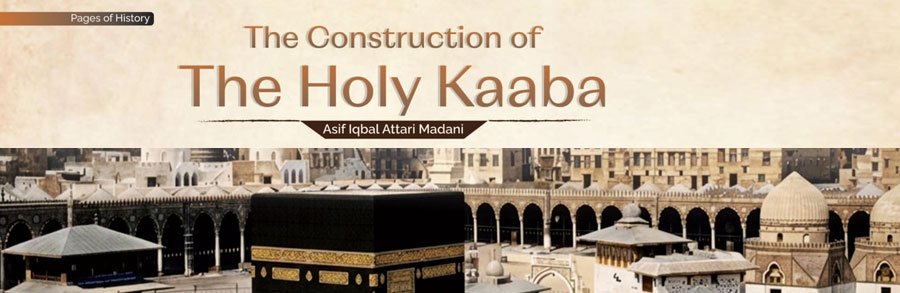
The Construction of the Holy Kaaba
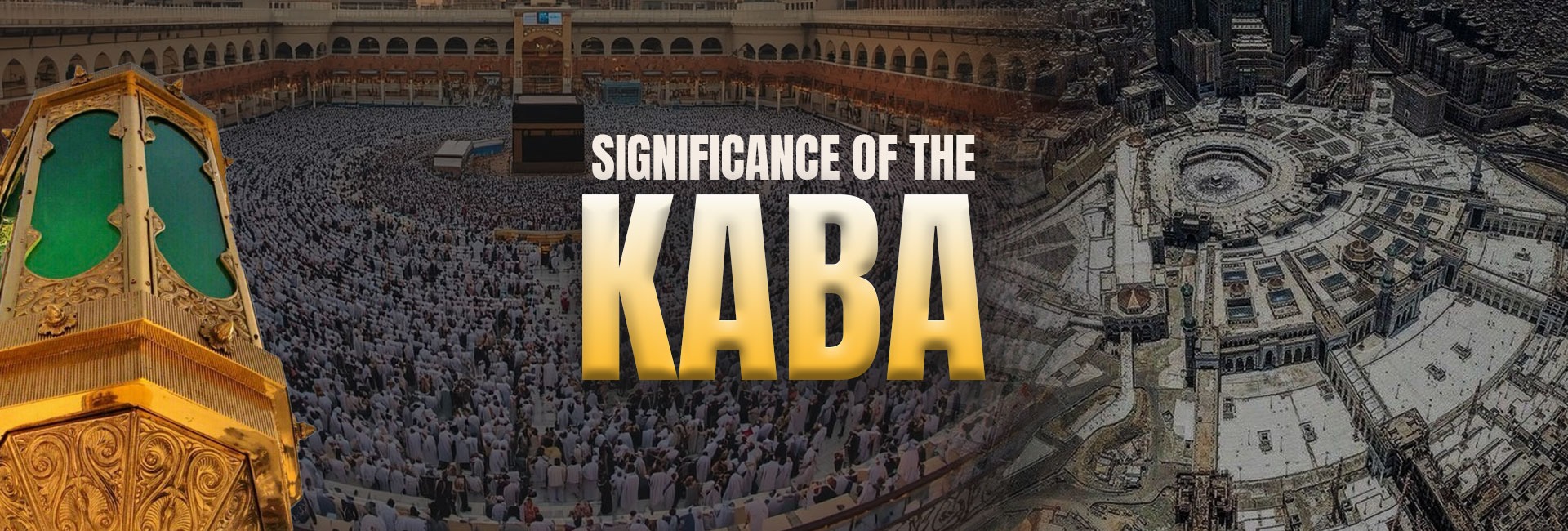
The most superior of all masjids is Masjid al-Ḥarām, and the Qiblah of all masjids is the KaꜤbah.[1] It was the very first house designated on the face of the earth for the worship of Allah Almighty.[2] From a historical perspective, according to ꜤAllāmah Aḥmad b. Muḥammad al-Qasṭallānī رَحْمَةُ الـلّٰـهِ عَـلَيْه, the KaꜤbah was constructed ten times.[3]
The First Construction:
Two thousand years before the creation of Sayyidunā Ādam عَـلَيْـهِ الـسَّـلاَم, the angels were the first to construct the KaꜤbah.[4]
The Second Construction:
For the second time, by the command of Allah, Sayyidunā Ādamعَـلَيْـهِ الـسَّـلاَم constructed the KaꜤbah. Sayyidunā Jibrīl عَـلَيْـهِ الـسَّـلاَم marked the site by drawing a line, Sayyidunā Ādamعَـلَيْـهِ الـسَّـلاَم dug the foundations, and Sayyidah Ḥawwāˈ رَضِیَ اللّٰهُ عَنْهَا carried the soil. Then he was commanded to perform Ṭawāf, and it was said: “You are the first human and this is the first House.”[5]
The Third Construction:
Sayyidunā Shīth b. Ādamعَـلَيْـهِ الـسَّـلاَم constructed this House for the third time using clay and stones.[6] Some state that he only carried out repair work on the KaꜤbah.[7]
The Fourth Construction:
During the flood of Sayyidunā Nūḥ عَـلَيْـهِ الـسَّـلاَم, the structure of the KaꜤbah was lifted to the heavens, and this location remained like a high mound. Then, Sayyidunā Ibrāhīmعَـلَيْـهِ الـسَّـلاَم constructed the KaꜤbah upon the same foundations, and Sayyidunā IsmāꜤīl عَـلَيْـهِ الـسَّـلاَم carried the stones. Allah Almighty mentions this special and magnificent construction in verse 127 of Surah al-Baqarah.[8]
The Fifth and Sixth Constructions:
The KaꜤbah was constructed for the fifth time by the ꜤAmāliqah tribe, and al-Ḥarth b. Muḍāḍ al-Aṣghar from the Jurhum tribe constructed it the sixth time.[9]
The Seventh Construction:
A member of the pure lineage of the Prophet, Sayyidunā Quṣayy b. Kilāb, also constructed the KaꜤbah and rebuilt it in an unparalleled manner.[10]
The Eighth Construction:
A woman was burning incense in the KaꜤbah when a spark flew and landed on its covering, causing it to catch fire. Due to this, or because of a flood, the walls of the KaꜤbah were weakened, so the noble tribe of Makkah al-Mukarramah, the Quraysh, rebuilt it. The beloved Prophet صَلَّى الـلّٰـهُ عَلَيْهِ وَاٰلِهٖ وَسَلَّم also participated in this reconstruction.[11] It should be remembered that due to a shortage of lawful funds, the Ḥaṭīm was not included in the Quraysh’s reconstruction.
The Ninth Construction:
When the walls of the KaꜤbah were damaged due to the stone-pelting by Yazīd’s army, Sayyidunā ꜤAbdullāh b. Zubayr رَضِىَ اللّٰهُ عَـنْهُ rebuilt it anew upon the Abrahamic foundations, including the Ḥaṭīm (which was not included in the Quraysh’s construction).[12]
The Tenth Construction:
Ḥajjāj b. Yūsuf, the deputy of ꜤAbd al-Mālik b. Marwān (who was an oppressive ruler), restored the KaꜤbah in 74 AH according to the construction of the Quraysh.[13]
ꜤAllāmah Sulaymān Jamal رَحْمَةُ الـلّٰـهِ عَـلَيْه states: “According to some historians, a king reconstructed the KaꜤbah after 1039 AH.”[14] Mufti Aḥmad Yār Khān NaꜤīmī رَحْمَةُ الـلّٰـهِ عَـلَيْه states: “In 1040 AH, Sultan Murād b. Aḥmad Khan (of the Ottoman Empire), the ruler of Constantinople, reconstructed the entire building, except the corner containing the Ḥajar al-Aswad, in accordance with the construction of Ḥajjāj.”[15] Therefore, the current KaꜤbah is approximately 407 years old, as it was built in 1040 AH and it is currently 1447 AH.
[1] Tafsīr al-Nasafī, p. 429, Part 10, Surah al-Tawbah, under Verse 18
[2] Part 4, Surah Āli ꜤImrān: 96
[3] Irshād al-Sārī, vol. 4, p. 103 under Hadith 1582
[4] Tafsīr Khāzin, vol. 1, p. 275
[5] Tārīkh Dimashq, vol. 7, p. 427, summarised
[6] Shifāˈ al-Gharām, vol. 1, p. 126; Irshād al-Sārī, vol. 4, p. 103, under Hadith 1582
[7] Tafsīr NaꜤīmī, vol. 4, p. 30
[8] Tafsīr Kabīr, vol. 3, p. 296; extracted from Tafsīr NaꜤīmī, vol. 4, p. 30
[9] Irshād al-Sārī, vol. 4, p. 103 under Hadith 1582
[10] Shifāˈ al-Gharām , vol. 1, p. 128; Irshād al-Sārī, vol. 4, p. 103 under Hadith 1582
[11] Extracted from Subul al-Hudā wa al-Rashād, vol. 2, p. 169
[12] Shifāˈ al-Gharām , vol. 1, p. 132, summarised
[13] Shifāˈ al-Gharām , vol. 1, p. 135, summarised
[14] Ḥāshiyat al-Jamal, vol. 1, p. 160
[15] Tafsīr NaꜤīmī, vol. 1, p. 692






Comments