


The Protection of Human Life in Islam
Allah Almighty honoured mankind with the distinction of being the best creation. He gave them excellence, nobility, knowledge, and dignity, and made the angels prostrate before them. He granted them beauty in both appearance and character, crowned them with the title of aḥsan al-taqwīm (the finest stature), and declared the sanctity of human life in the divine scripture. (Part 15, Banī Isrāˈīl: 33). Islam provides guidelines for protecting mankind, Allah Almighty's best creation, in many ways. Here are a few aspects of Islam’s radiant teachings regarding the protection of human life.
Killing all of Humanity:
The lofty status Islam gives to human life can be understood from the fact that it declares the unjust killing of one individual equivalent to killing all of humanity. Allah Almighty states:
وَ مَنْ اَحْیَاهَا فَكَاَنَّمَاۤ اَحْیَا النَّاسَ جَمِیْعًاؕ-
And whosoever saved a life, it is as if he saved mankind.[1]
(Click here for further explanation of this verse)
This blessed verse clearly demonstrates that Islam is a religion of peace and safety, and it shows the immense value that Islam places on human life.
The importance of human life in the Court of Allah:
The Holy Prophet صَلَّى الـلّٰـهُ عَلَيْهِ وَاٰلِهٖ وَسَلَّم said: “To Allah Almighty, the destruction of the entire universe is less severe than the unjust killing of a person.”[2] Dear Islamic brothers! Whether it is one's own life or another's, Islam commands the protection of both. It even instructs people to avoid everything that may lead to their own harm or ruin.[3] For this reason, suicide is forbidden in Islam. Islam has not only declared the unjust killing of others as a major sin, but has also prescribed the severest punishment for the one who commits it. The Holy Prophet صَلَّى الـلّٰـهُ عَلَيْهِ وَاٰلِهٖ وَسَلَّم even forbade merely pointing a weapon at a fellow Muslim.[4]
Condemnation of unjust killing:
The Merciful Prophet صَلَّى الـلّٰـهُ عَلَيْهِ وَاٰلِهٖ وَسَلَّم strongly condemned the killing of humans in several Aḥādīth. He said: “The greatest sins are associating partners with Allah Almighty, killing a person, disobeying one’s parents, and giving false testimony.”[5] From this blessed Hadith, we learn that after Shirk (associating partners with Allah), taking a life is at the top of the list of major sins.
On the Day of Resurrection, the first matter concerning the rights of people (Ḥuqūq al-ꜤIbād) to be judged will be the cases of unjust killing. The Holy Prophet صَلَّى الـلّٰـهُ عَلَيْهِ وَاٰلِهٖ وَسَلَّم said: “On the Day of Judgement, the first matter to be decided between people will pertain to bloodshed.”[6]
The sanctity of a Muslim's life:
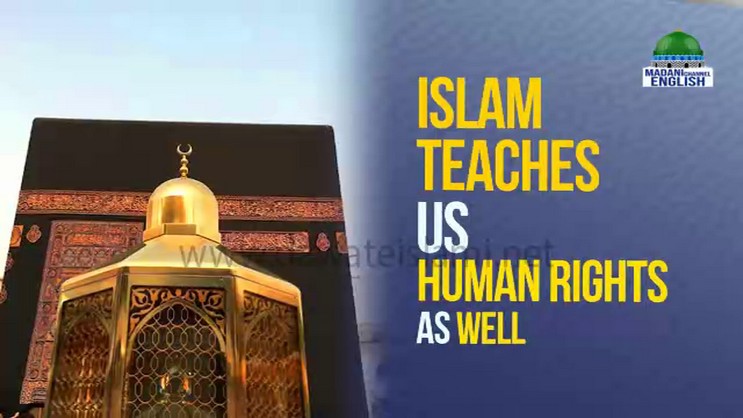
The Beloved Prophet صَلَّى الـلّٰـهُ عَلَيْهِ وَاٰلِهٖ وَسَلَّم declared that the sanctity of a Muslim's life is greater than the sanctity of the KaꜤbah.[7]
These excellent, effective, and enlightening teachings regarding the protection of human life require us to sincerely incorporate them in our lives and uphold these rights.
[1] Al-Quran, Al-Baqarah, verse 142; translation from Kanz al-ꜤIrfān
[2] Mausu'ah Ibn Abi al-Dunya, vol. 6, p. 234, Hadith: 231
[3] Khaza'in al-Irfan, p 65, summarized
[4] Bukhari, vol. 4, p. 434, Hadith: 7072
[5] Bukhari, vol. 4, p. 357, Hadith: 6871
[6] Muslim, p. 711, Hadith: 4381
[7] Ibn Majah, vol. 4, p. 319, Hadith: 3932, summarized
Comments